Posts

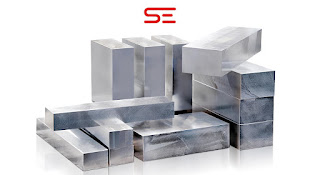
What Are The Different Types Of Machined Plates?

Image
Machined Plates are used in various industries and applications, and they come in different types depending on the materials, specifications, and intended use. Here are some common types of Machined Plates : 1. Aluminium Plates: These plates are often lightweight, corrosion-resistant, and have good thermal conductivity. They find applications in aerospace, automotive, and other industries. 2. Steel Plates: Steel Plates are robust and versatile. They are used in construction, manufacturing, and various industrial applications due to their strength and durability. 3. Stainless Steel Plates: Known for their corrosion resistance, stainless steel plates are commonly used in industries such as food processing, pharmaceuticals, and chemical processing. 4. Brass Plates: Brass plates offer good corrosion resistance and have aesthetic appeal. They are used in applications where a combination of corrosion resistance and visual appearance is important. 5. Copper Plates: Copper plat...
What Is 1.2085 Plastic Mould Steel And How To Use It

Image
1.2085 is a type of plastic mold steel, also known as AISI 420 Steel . It is a martensitic stainless steel with high carbon and chromium content, making it well-suited for applications in the plastic molding industry. Here are some key characteristics and information about 1.2085 Plastic Mould Steel : Key Features: Composition: It typically contains around 0.55-0.64% carbon, 13-14% chromium, and smaller amounts of other alloying elements like manganese and silicon. Hardness: 1.2085 Steel can be hardened to a high level, providing excellent wear resistance and durability. Corrosion Resistance: As a stainless steel, it offers good corrosion resistance. Polishing Properties: 1.2085 has good polishing properties, making it suitable for applications where a smooth surface finish is required. Applications: Plastic Molds: Due to its high hardness, good wear resistance, and corrosion resistance, 1.2085 is commonly used in the manufacturing of Plastic Injection Molds and extrusion dies...

The Ultimate Guide To Help You Why 1.2083ESR Is Right For You

Image
Selecting 1.2083ESR steel involves considering specific needs and how its properties align with your requirements: 1. Corrosion Resistance: If your application involves exposure to corrosive elements, 1.2083ESR's excellent corrosion resistance makes it a suitable choice. It ensures the longevity of molds in aggressive environments. 2. Polishability: The exceptional polishability of 1.2083ESR Steel is beneficial if your molds require a smooth, high-quality finish. This property is crucial in plastic molding to achieve superior surface finishes. 3. Wear Resistance: If your molds undergo substantial stress or wear during operation, the good wear resistance of 1.2083ESR ensures durability and prolonged lifespan, reducing the need for frequent replacements. 4. Application Compatibility: Consider the specific industry or applications where high-quality molds are essential. 1.2083ESR steel is commonly used in automotive, medical, or consumer goods industries due to its proper...

How To Recognize The Tool Steel That Is Right For You

Image
Recognizing the right Tool Steel involves understanding your specific needs and properties offered by different steels:   1. Application Requirements: Assess the demands of your task—consider cutting, forming, impact, or wear requirements. Identify temperature, pressure, and environmental conditions the tool will encounter. 2. Tool Steel Types: Familiarize yourself with categories like High-Speed Steel, Cold Work Steel, Hot Work Steel, and Plastic Mould Steel. Each type has distinct properties catering to specific applications. 3. Properties Needed: Determine critical attributes like hardness, toughness, wear resistance, machinability, and corrosion resistance. Match these requirements with the properties of available tool steels. 4. Material Standards: Understand steel designations (e.g., AISI, DIN, or JIS) and their properties to compare different grades within the same category. 5. Consult Experts: Seek advice from metallurgists or engineers familiar with tool ...

Why These Machined Plates Are the Best for You

Image
The suitability of machined plates for specific applications depends on several factors, including the requirements of the project, the materials being used, and the desired level of precision. While there are various types of machined plates available, some key reasons why they might be considered the best choice for certain applications include: Precision : Machined Plates are known for their exceptional precision. They are manufactured to meet tight tolerances and flatness specifications, making them ideal for applications where accuracy is critical. Flatness : These plates are designed to have an exceptionally flat surface. This flatness is essential in situations where workpieces or measurements must be made on a level plane. Versatility : Machined plates are versatile and can be used in various industries and applications, from manufacturing and toolmaking to metrology and research. They serve as a stable reference surface in a wide range of settings. Customization : Machined pl...

What Is Die Steel and How to Use It

Image
Die steel, also known as tool and die steel, is a specialized type of steel designed for use in the manufacturing of dies, molds, and various tools employed in industrial processes such as metalworking, plastics molding, and die casting. These dies and molds are used to shape, form, or stamp materials into specific shapes, and die steel is selected for its particular properties that make it well-suited for these applications. Here's an overview of what die steel is and how it is used: Properties of Die Steel: Die Steel  is characterized by several key properties that make it suitable for its intended applications: High Hardness: Die steel typically exhibits high hardness, which is essential for resisting wear, abrasion, and deformation caused by the repeated compressive forces encountered during the shaping and forming processes. Wear Resistance: Excellent wear resistance is critical for die steel because dies and molds are constantly exposed to friction and abrasive forces when sh...